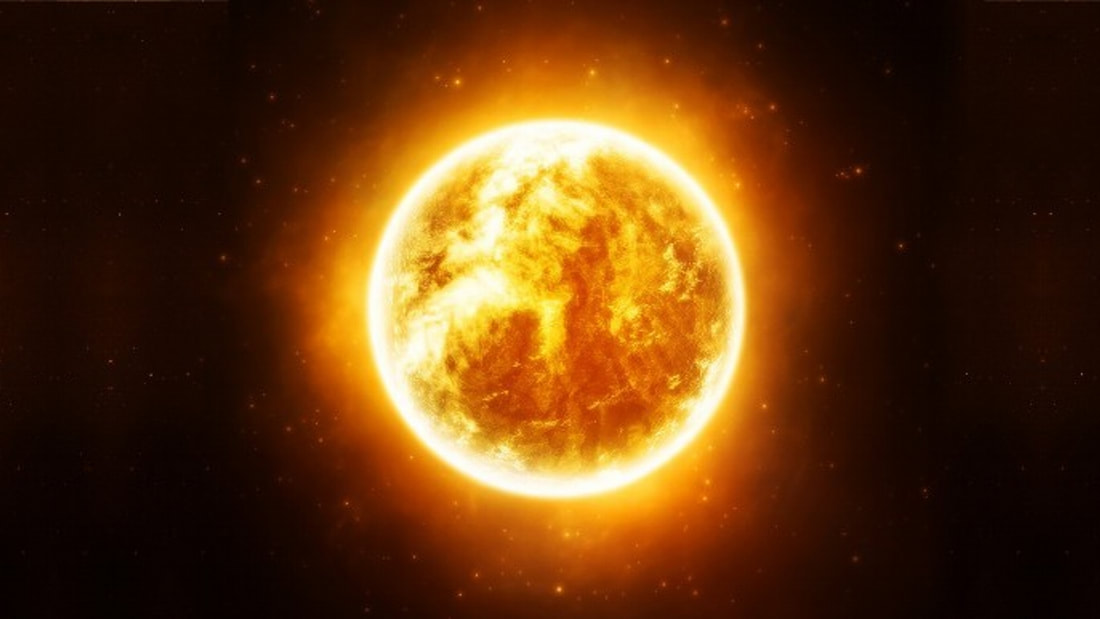
The Sun
If the Sun were as tall as a typical front door, Earth would be about the size of a nickel. At the equator, the Sun spins once about every 25 days, but at its poles the Sun rotates once on its axis every 35 Earth days. Without the Sun's intense energy, there would be no life on Earth.
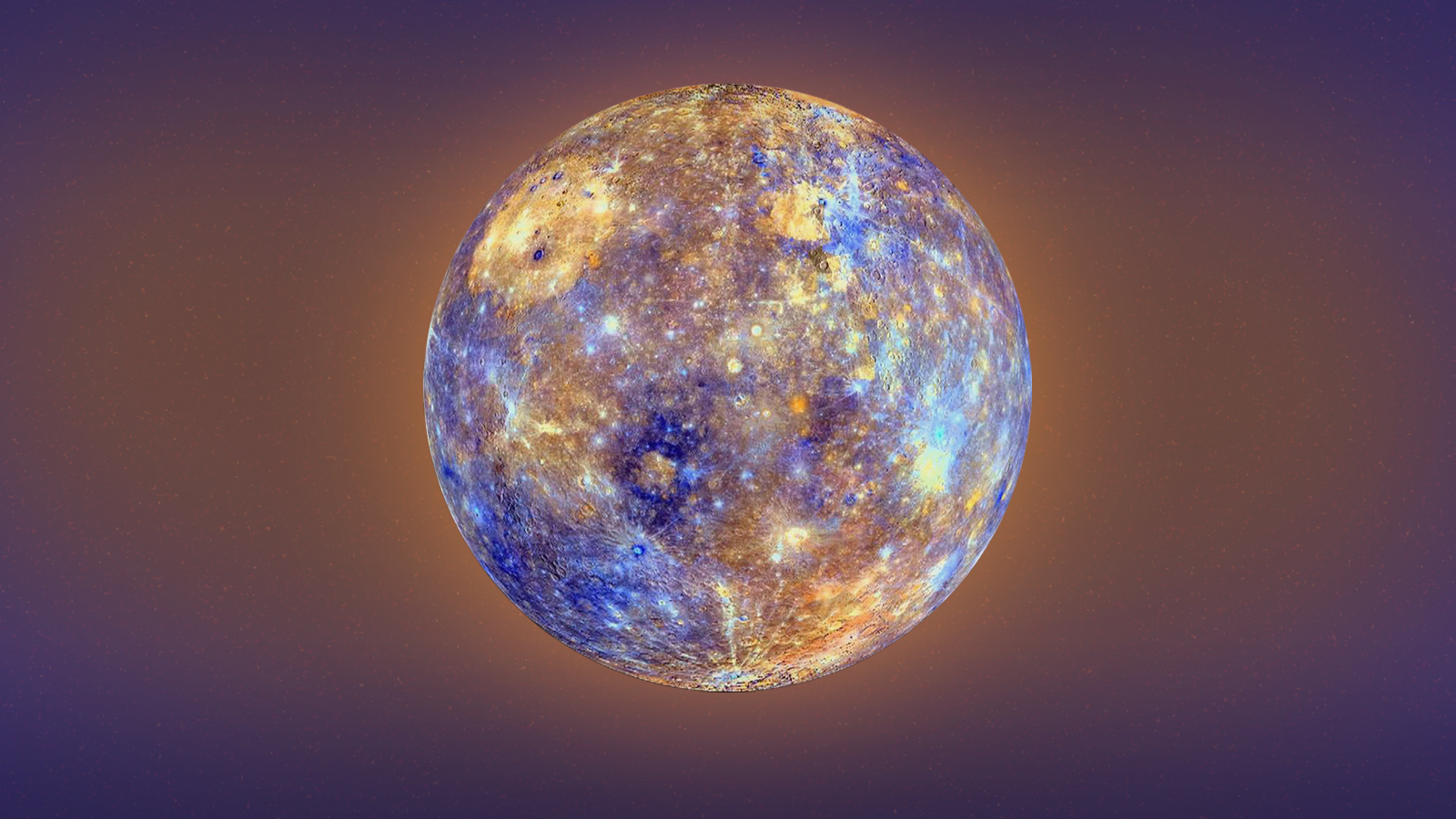
Mercury
Mercury is the smallest planet in our solar system. It’s just a little bigger than Earth’s moon. It is the closest planet to the sun, but it’s actually not the hottest. Venus is hotter.
Venus
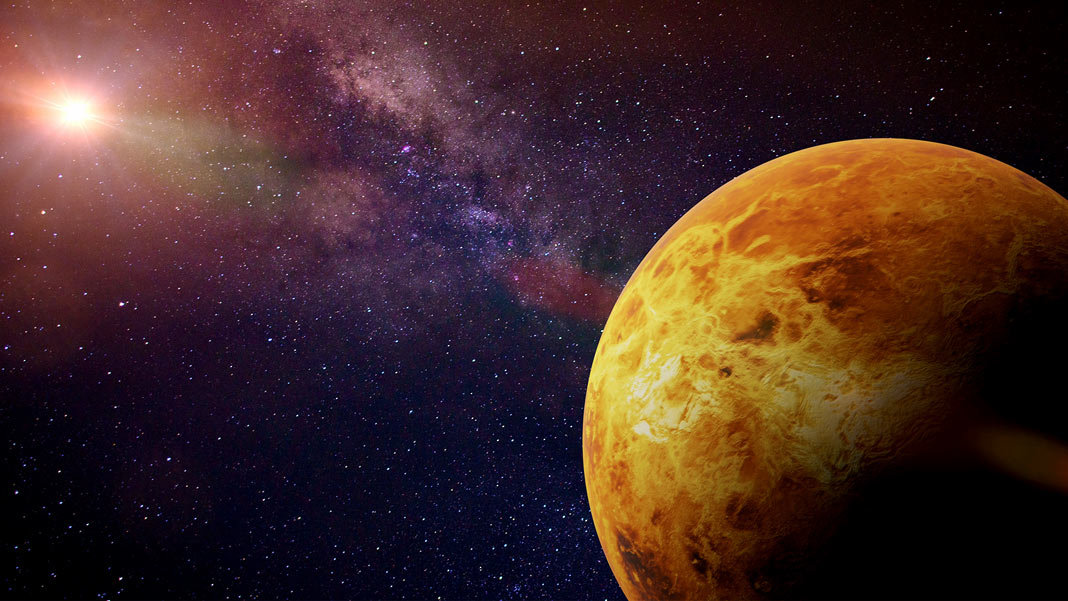
Even though Venus isn't the closest planet to the sun, it is still the hottest. It has a thick atmosphere full of the greenhouse gas carbon dioxide and clouds made of sulfuric acid. The gas traps heat and keeps Venus toasty warm. In fact, it's so hot on Venus, metals like lead would be puddles of melted liquid.
Earth
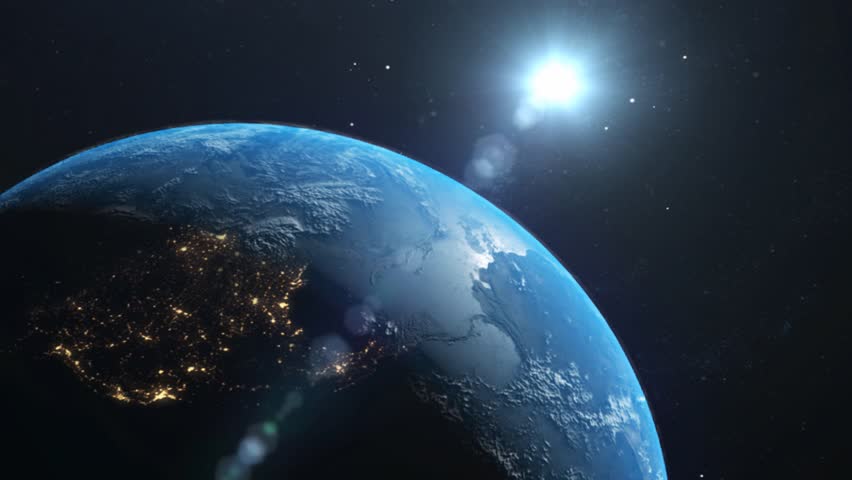
Our home planet Earth is a rocky, terrestrial planet. It has a solid and active surface with mountains, valleys, canyons, plains and so much more. Earth is special because it is an ocean planet. Water covers 70% of Earth's surface.
Mars
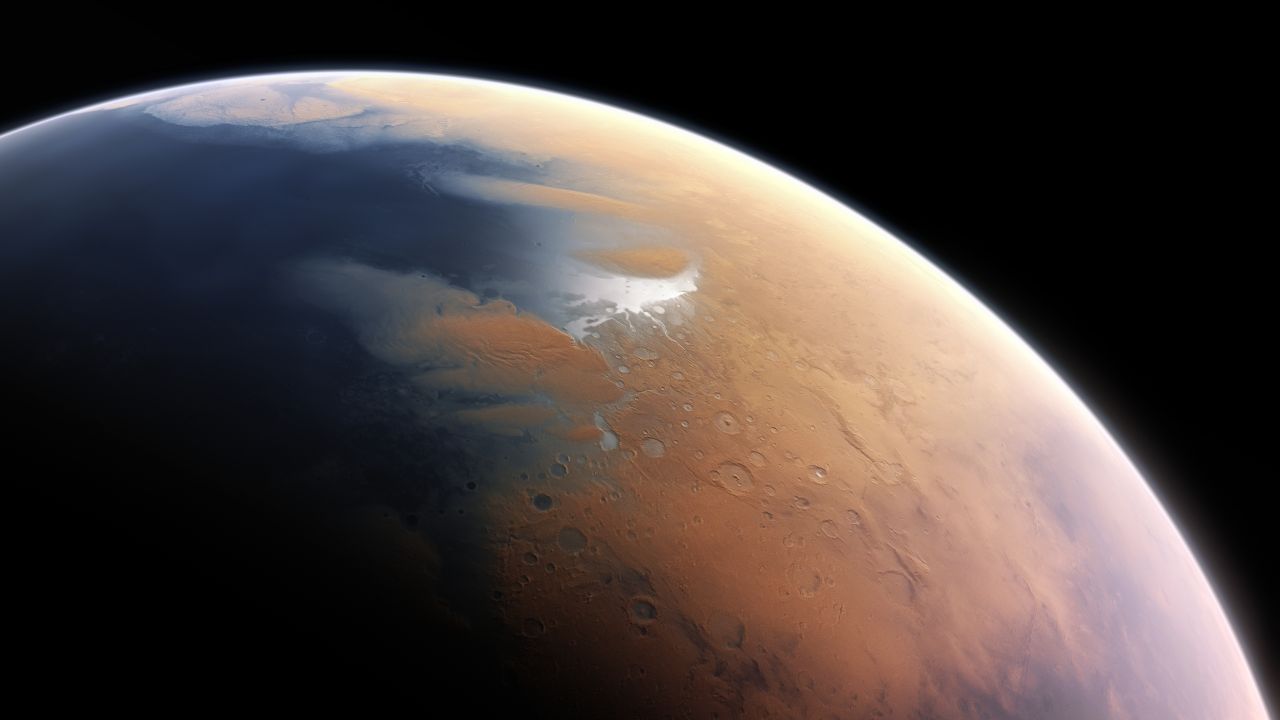
Mars is a cold desert world. It is half the size of Earth. Mars is sometimes called the Red Planet. It's red because of rusty iron in the ground.
Jupiter
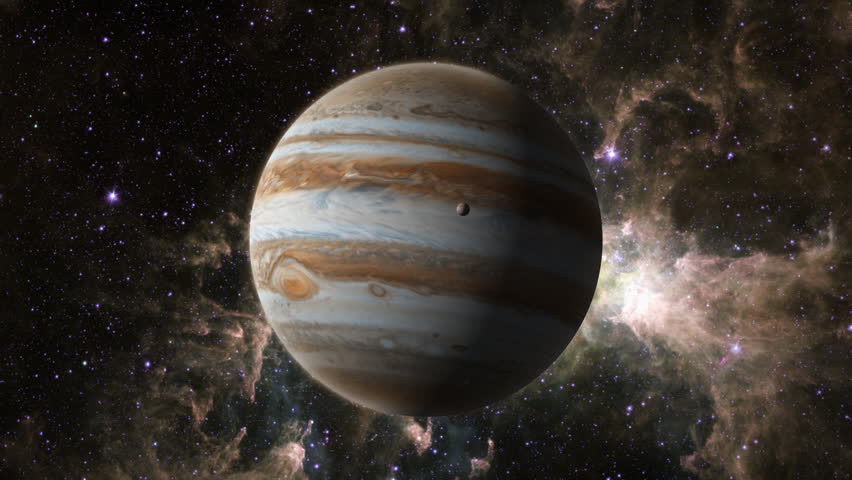
Jupiter is the biggest planet in our solar system. It's similar to a star, but it never got big enough to start burning. It is covered in swirling cloud stripes. It has big storms like the Great Red Spot, which has been going for hundreds of years. Jupiter is a gas giant and doesn't have a solid surface, but it may have a solid inner core about the size of Earth. Jupiter also has rings, but they're too faint to see very well.
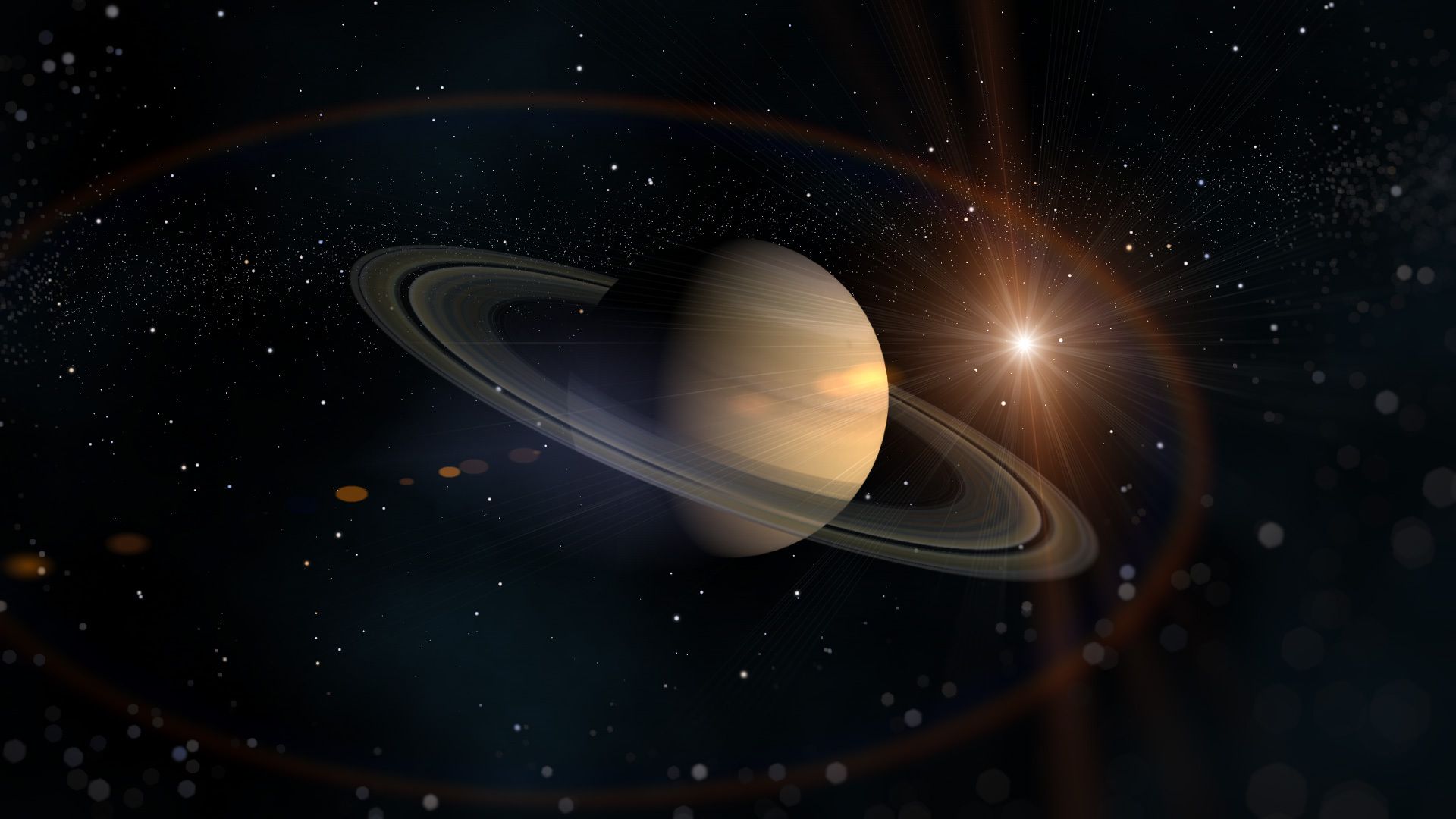
Saturn
Saturn isn’t the only planet to have rings, but it definitely has the most beautiful ones. The rings we see are made of groups of tiny ringlets that surround Saturn. They’re made of chunks of ice and rock. Like Jupiter, Saturn is mostly a ball of hydrogen and helium.
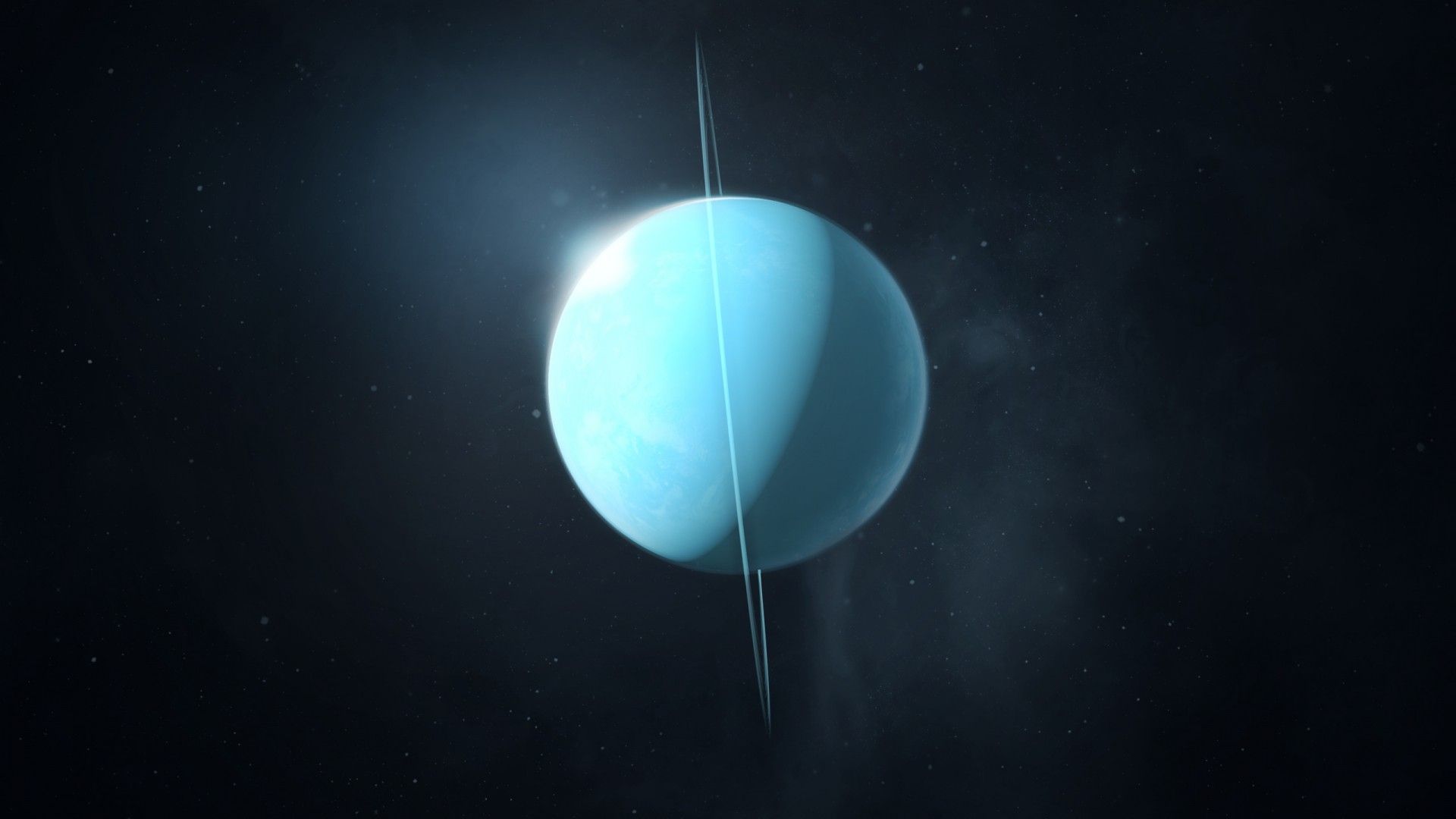
Uranus
Uranus is made of water, methane, and ammonia fluids above a small rocky center. Its atmosphere is made of hydrogen and helium like Jupiter and Saturn, but it also has methane. The methane makes Uranus blue.
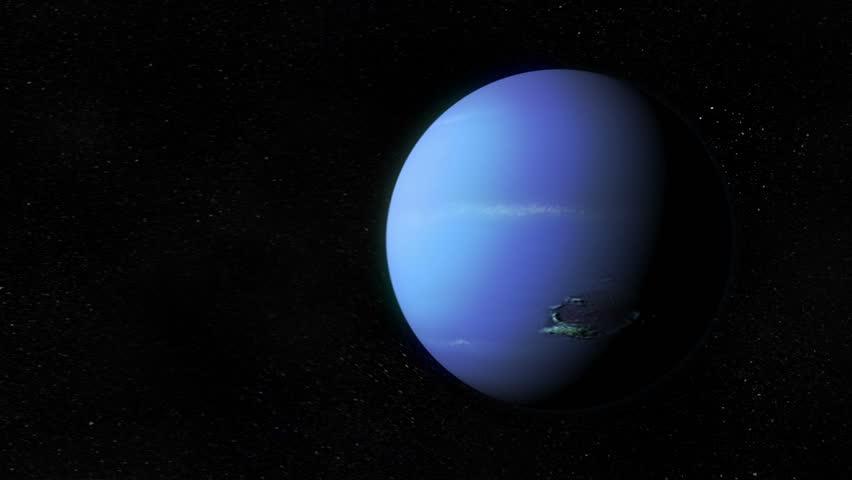
Neptune
Neptune is dark, cold, and very windy. It's the last of the planets in our solar system. It's more than 30 times as far from the sun as Earth is. Neptune is very similar to Uranus. It's made of a thick fog of water, ammonia, and methane over an Earth-sized solid center. Its atmosphere is made of hydrogen, helium, and methane. The methane gives Neptune the same blue color as Uranus. Neptune has six rings, but they're very hard to see.